Scaling Diia Globally: Diia Showcase and Digital Wallet Proof of Concept
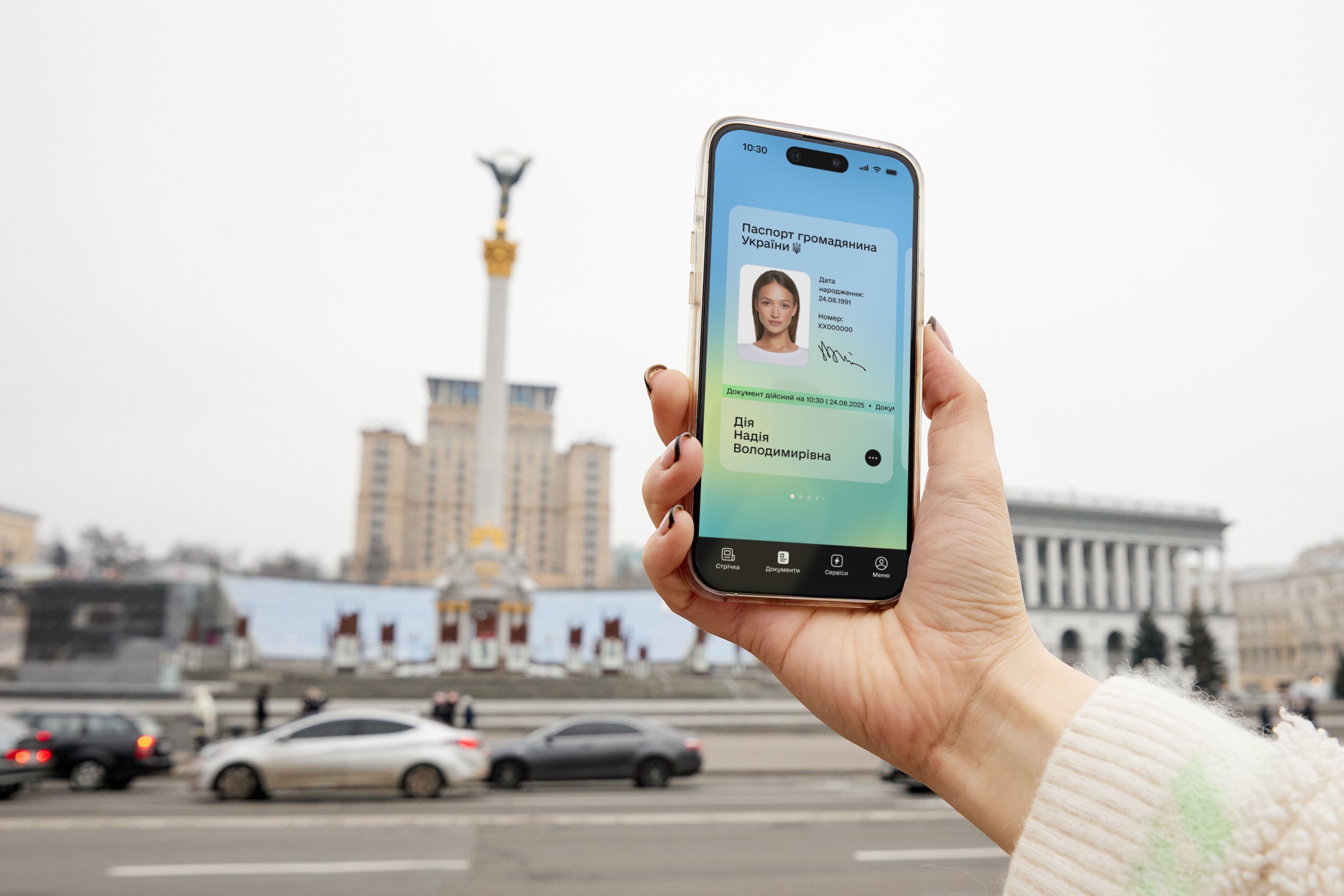
The Scaling Diia Globally project is a €398,000, six-month initiative funded by the German Federal Ministry for Economic Cooperation and Development (BMZ) and supported by the Deutsche Gesellschaft für Internationale Zusammenarbeit (GIZ). The project aims to translate Ukraine’s experience with Diia – the country’s government super app – into a structured, modular, and internationally reusable model. This work is aligned with the GovStack framework, a multi-stakeholder initiative involving Germany, Estonia, and the International Telecommunication Union (ITU), which provides an open and flexible approach for designing and implementing digital public infrastructure based on interoperable building blocks.
Ukraine has emerged as a global leader in digital government reform, demonstrating how digital public infrastructure can transform the interaction between citizens and the state. Central to this transformation is Diia, the flagship digital platform developed by Ukraine’s Ministry of Digital Transformation, which integrates digital identity, public services, and official documents into a single, citizen-centric ecosystem.
Since its launch in 2020, Diia has become a crucial part of Ukraine’s digital public infrastructure, allowing more than 23 million citizens to securely access digital documents and public services through their smartphones. This has become even more essential due to Russia’s full-scale invasion and war against Ukraine, which has disrupted lives and left many people disconnected from public authorities and basic services. Despite the ongoing conflict, the Ukrainian government has prioritized the consistent delivery of digital public services as a matter of national resilience and continuity. Diia has become a vital resource for millions of Ukrainians, providing access to digital documents, social services, and digital identity tools amid the challenges of displacement and war.
Ukraine’s rapid progress in digital governance – reflected in its strong performance in global digital government indices – has generated tremendous international interest in Diia as a model for modern, citizen-centered service delivery. At the same time, many governments seeking to learn from Ukraine’s experience face challenges in translating Diia’s complex architecture, governance arrangements, and legal frameworks into their own national contexts.
Project Description
The Scaling Diia Globally project responds to this international demand by documenting Diia as a global reference case and by developing a practical, standards-aligned proof of concept (POC) focused on one of Diia’s core components: the Digital Wallet. The initiative is closely aligned with the GovStack approach, which promotes modular, interoperable, and reusable digital building blocks for public administration reform worldwide.
The project pursues two objectives. First, it seeks to develop a Diia Global Showcase that systematically documents the Diia mobile application as an example of digital public infrastructure, with particular emphasis on the Digital Wallet component. This includes mapping Diia’s architecture, governance, and enabling legislation, and presenting key lessons learned for foreign governments and development practitioners.
Second, the project aims to design, develop, and validate a Digital Wallet Proof of Concept that demonstrates core workflows – secure storage and presentation of digital credentials – in line with the GovStack Wallet Building Block requirements. By focusing on a modular and vendor-neutral design, the POC is intended to support reuse and adaptation by other governments in diverse legal and institutional environments.
The project is implemented by Eurasia Foundation in close coordination with Ukraine’s Ministry of Digital Transformation and contributes to the broader GovStack initiative, which provides reusable digital components for public administration reform worldwide.
The project is funded by the German Federal Ministry for Economic Cooperation and Development (BMZ) and supported by the Deutsche Gesellschaft für Internationale Zusammenarbeit (GIZ) GmbH.
Related Projects


Цифровізація для зростання, доброчесності та прозорості
2025 - Present
Digitalisation for Growth, Integrity and Transparency
2025 - Present