The Legacy of Judy’s Initiative Lives on in Moldova
In 2023, Eurasia Foundation launched a project to promote the full social, economic, and political integration of youth with disabilities in Armenia and Moldova. The two-year project was called the Judy Initiative, named after Judith “Judy” Heumann, a trailblazer for the rights of people with disabilities across the globe.
With cuts to foreign aid, the project ended prematurely last year. However, one participant in Moldova was determined to carry on its legacy.
“When I enrolled in the project supported by the Judy Initiative, I did so with a sincere desire to bring about change in our community in Rezina district and the village of Solonceni,” said Maxim Grădinari. “As a young person who experiences the daily challenges of limited accessibility, I know all too well how difficult it is to reach a medical center or a public building that has not been adapted—especially when using a cane or a wheelchair.”
With the Judy Initiative, Eurasia Foundation strengthened local organizations of people with disabilities and civil society groups through intensive workshops led by disability rights experts.
The organizations of people with disabilities then connected with local youth changemakers with disabilities, mentoring the young leaders as they implemented awareness initiatives that championed the integration of people with disabilities at all levels of society.
Maxim applied to the Judy Initiative with a project focused on inclusive healthcare access for the Family Doctors’ Center in Rezina and the Medical Point in Solonceni. The aim was to draw attention to the real challenges faced by people with reduced mobility.
In December 2024, Maxim worked with the project team — Elena Crîșmari from the Dolna Association and Tudor Onofrei from the Motivație Association — to organize a detailed accessibility assessment of the institutions. The director and staff of the Family Doctors’ Center took part in the exercise “Put Yourself in My Place,” using a wheelchair to try to access the building.
“It was an emotional and, at the same time, painful moment, as it clearly highlighted the barriers we face every single time,” Maxim said.
Even when the funding provided through our partners was discontinued, Maxim pushed forward with his proposal to the directors and local authorities to make public institutions accessible to everyone by adding ramps, installing handrails, and adapting restrooms.
“It required patience, persistence, and clear arguments to demonstrate that accessibility is not a luxury, but a necessity and a fundamental right,” he said.
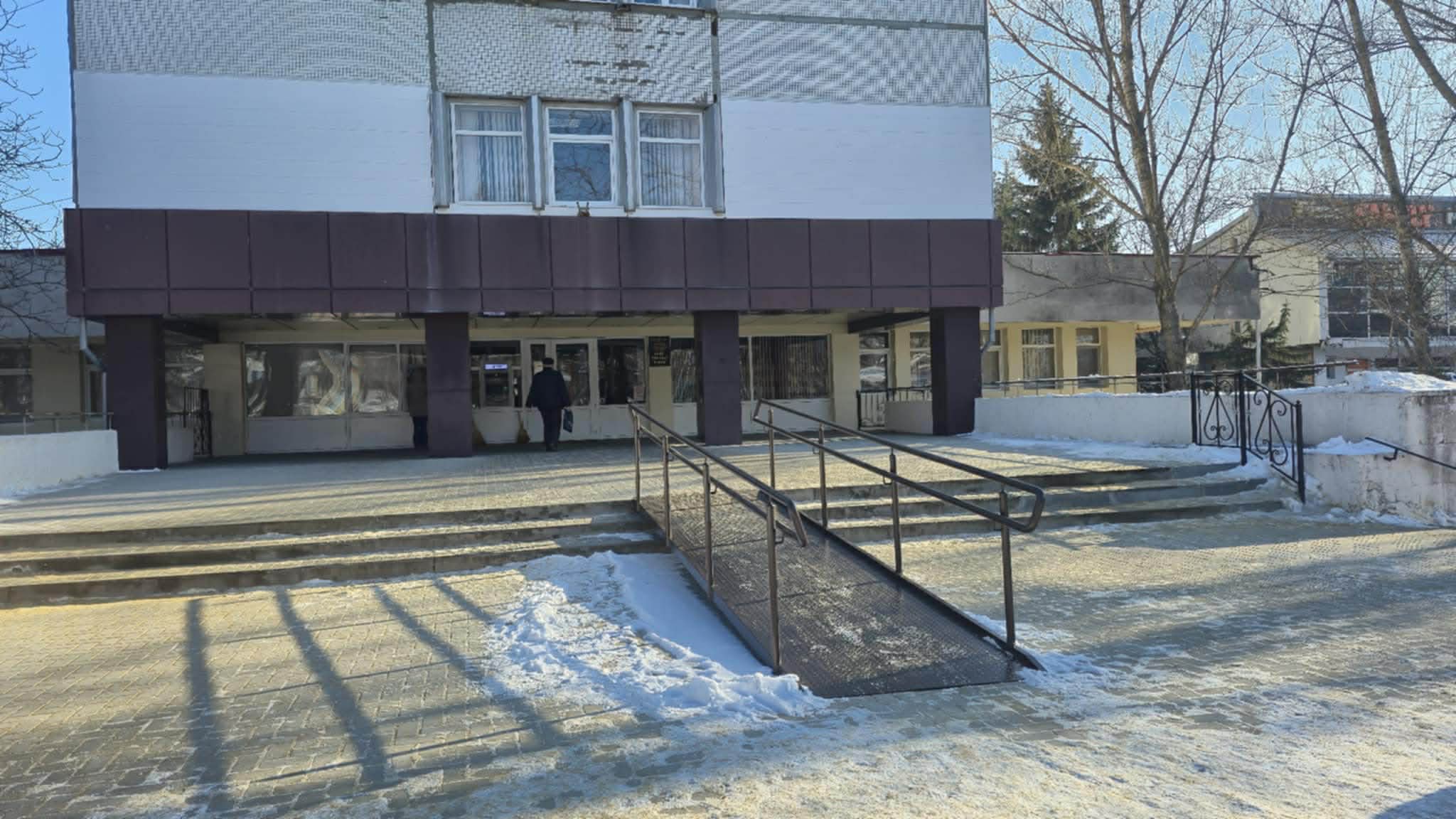
Through their collective efforts and an official request submitted to the Rezina District Council, today there is an accessible ramp installed in front of the Family Doctors’ Center in Rezina, benefiting people with disabilities as well as elderly persons. Their efforts also bore fruit at the Palace of Culture in Rezina district, where an accessible ramp was constructed for people with disabilities and older adults.
“The Judy Initiative taught me that change does not happen overnight and that the road can sometimes be difficult,” Maxim said. “Yet when there is determination and collaboration, results do appear. For me, this project was not just an initiative, but a concrete step toward a more dignified, inclusive community that is attentive to everyone’s needs.”
We honor Judy today on March 4, three years after her passing, and call for others to “March Forth” in Judy’s memory—to keep pushing for a society that includes and respects everyone.
Mariana Țîbulac-Ciobanu, former program coordinator for the Judy Initiative, recently interviewed Maxim for Radio Moldova.
Related News & Events


Looking Ahead: A Vision for 2026
December 31, 2025
2024: A Year of Growth
December 31, 2024